ISO 26262 is the international standard that defines functional safety for electrical and electronic systems in road vehicles — and it has become one of the most critical frameworks in modern automotive engineering.
The automotive industry is undergoing one of the most significant technological transformations in its history. Electrification, connectivity, autonomous driving, artificial intelligence and advanced driver assistance systems are completely reshaping the way vehicles are designed, developed and operated. For official reference on the standard, visit the ISO 26262 official page on iso.org.
Today’s vehicles are no longer purely mechanical machines. A growing number of critical functions are controlled by complex electronic architectures and software systems capable of directly influencing braking, steering, acceleration, stability and driving assistance. In this new landscape, automotive functional safety has become a strategic priority for manufacturers, engineering companies and suppliers across the global automotive sector. This is precisely where this framework plays a central role.
Widely recognized as one of the most important international standards within the automotive industry, the norm establishes the framework for ensuring the functional safety of electrical and electronic systems installed in road vehicles. Its primary objective is to minimize risks caused by potential system failures and ensure that any malfunction does not compromise the safety of drivers, passengers or surrounding road users.
ISO 26262 compliance covers the entire vehicle lifecycle, from concept and system design to development, validation, production and maintenance. More than a technical certification, the standard represents a complete risk management methodology specifically developed for modern automotive engineering. Learn more about how Ariol Automotive supports ISO 26262 and automotive quality certification.
One of the key concepts within the standard is ASIL, or Automotive Safety Integrity Level. This ASIL automotive classification system determines the criticality of each vehicle function according to the potential risk associated with a failure. Based on this assessment, different levels of safety requirements, verification and validation processes are applied depending on how critical the system is for vehicle safety.
The rapid expansion of ISO 26262 ADAS requirements and semi-autonomous driving systems has significantly increased the importance of this automotive safety standard in recent years. Functions such as automatic emergency braking, lane keeping assistance, adaptive cruise control and pedestrian detection rely entirely on sensors, cameras, algorithms and advanced software capable of making decisions in real time. Without a robust compliance framework, the risks associated with these systems would be unmanageable within a regulated supply chain.
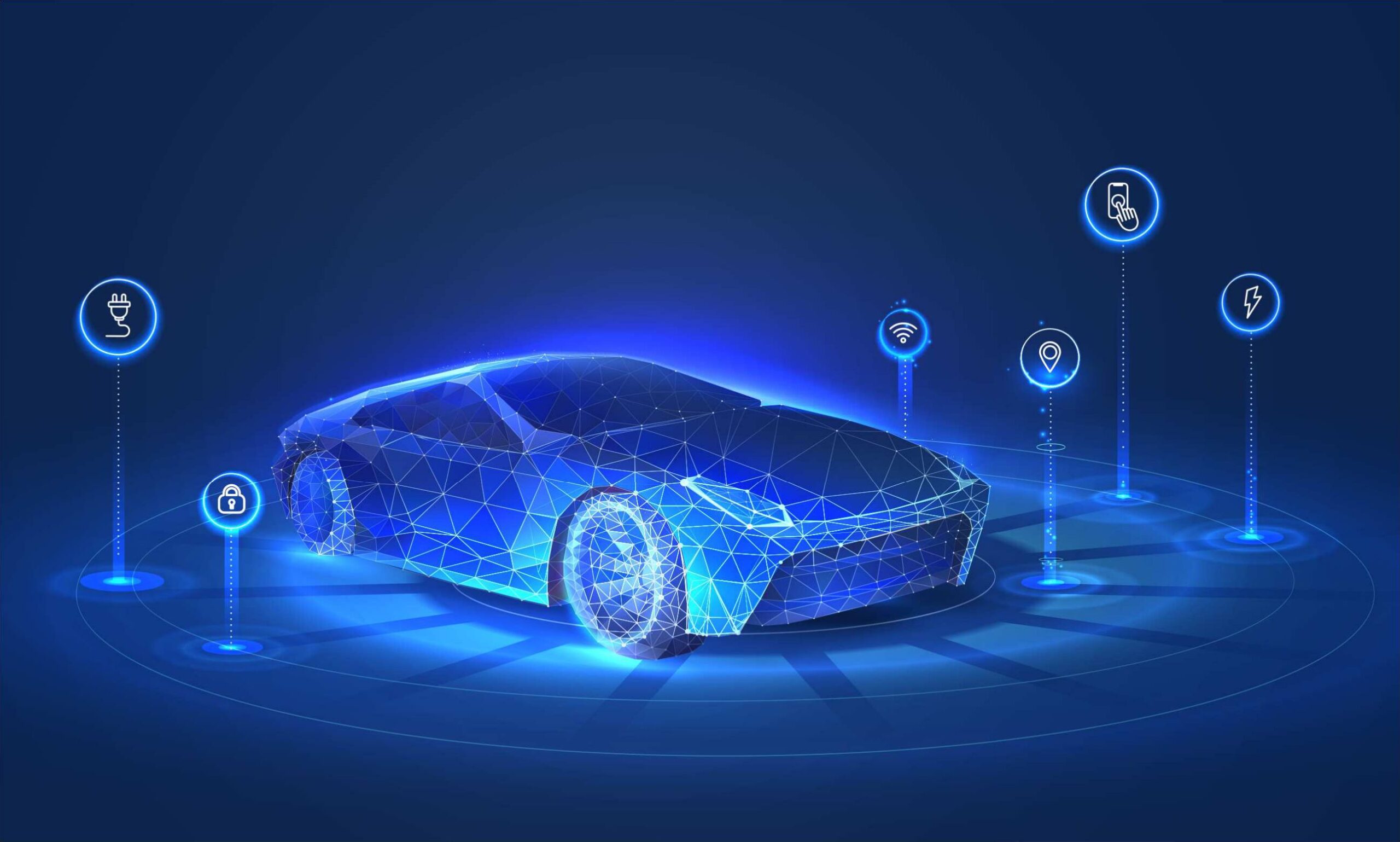
At the same time, the industry is facing new challenges linked to connectivity and cybersecurity. Modern vehicles are permanently connected to digital infrastructures, cloud platforms and over-the-air update systems, creating an environment where functional safety automotive requirements and cybersecurity must work together within the same technological ecosystem. The norm provides the structured methodology that makes this integration possible.
Why Compliance Has Become Non-Negotiable
The increasing complexity of vehicle software architectures has made this automotive safety standard a baseline requirement across the industry. OEMs and prime suppliers now routinely include ISO 26262 as a contractual condition for new programs. Organizations that cannot demonstrate alignment with the standard face direct exclusion from development programs, regardless of their technical capabilities.
Beyond contractual requirements, the framework provides organizations with a structured approach to managing the risks inherent in safety-critical system development. It establishes clear responsibilities, documented processes and traceable evidence of safety decisions throughout the entire development lifecycle — giving procurement teams and regulatory authorities the confidence they need.
Future of Automotive Functional Safety
The future of mobility will depend not only on innovation, automation and connectivity, but also on the industry’s ability to guarantee safe, reliable and trustworthy systems. The standard will continue to evolve alongside the technologies it governs, particularly as autonomous driving systems move from assisted to fully automated operation.
For automotive suppliers, engineering organizations and system integrators, understanding and implementing ISO 26262 compliance is no longer optional. It is the foundation upon which the next generation of safe, connected and intelligent vehicles will be built.
Because in tomorrow’s vehicles, functional safety automotive requirements will no longer be purely mechanical. They will also be digital.