An integrated management system automotive strategy combining TISAX, ISO 27001 and ISO 21434 has become one of the most critical competitive advantages for organizations operating within today’s automotive supply chain.
In the automotive and transportation industry, management systems and cybersecurity have evolved far beyond technical compliance requirements. They have become strategic pillars of trust, operational continuity, and long-term competitiveness. As vehicles become increasingly connected, production systems more digitalized, and global supply chains more interdependent, organizations face growing exposure to information security risks, cyber threats, and regulatory pressure. In this environment, isolated compliance initiatives are no longer sufficient.
A structured integrated management system automotive strategy built around ISO 27001, TISAX, and ISO 21434 enables automotive companies to align corporate information security, supply chain trust, and vehicle cybersecurity under one coherent governance framework. This integrated approach strengthens resilience, protects intellectual property, and positions organizations as reliable partners within a highly demanding industrial ecosystem. For official reference, visit the ISO 27001 standard page on iso.org.
ISO 27001: The Foundation of Corporate Information Security
ISO 27001 establishes the requirements for an Information Security Management System (ISMS). It provides a structured methodology for identifying, assessing, and mitigating risks related to corporate information assets. In the automotive sector, this includes protection of design and engineering data, production documentation, customer and OEM information, supplier technical specifications, and financial and strategic business information.
ISO 27001 operates under a risk-based approach. Organizations identify vulnerabilities, evaluate potential impacts, and implement appropriate technical and organizational controls. This encompasses both physical and digital security, including access management, encryption, incident response, and business continuity planning.
For automotive suppliers and manufacturers, ISO 27001 represents more than a security framework. It establishes governance discipline, formalizes accountability, and integrates automotive information security into business decision-making. Critically, ISO 27001 also serves as the structural backbone for other sector-specific frameworks, making it a strategic starting point for any integrated management system automotive strategy.
TISAX: Supply Chain Trust in the Automotive Industry
While ISO 27001 provides the general framework for information security, TISAX compliance introduces sector-specific expectations tailored to the automotive supply chain. Developed by the German Association of the Automotive Industry (VDA) and governed by the ENX Association, TISAX aligns with ISO 27001 principles but incorporates additional controls specific to automotive operations, including prototype protection, secure development environments, and enhanced supplier data protection measures.
TISAX addresses a critical reality: automotive OEMs require standardized and verifiable information security across their supplier network. Instead of conducting individual audits for each supplier, OEMs rely on the TISAX assessment mechanism to validate compliance. Achieving TISAX compliance demonstrates that an organization meets recognized security expectations across the automotive supply chain. It facilitates participation in strategic tenders and strengthens credibility with European manufacturers.
For many suppliers, TISAX is no longer optional. It is a prerequisite for market access. Learn more about how Ariol Automotive supports TISAX compliance and automotive cybersecurity certification.
ISO 21434: Automotive Cybersecurity in Connected and Intelligent Vehicles
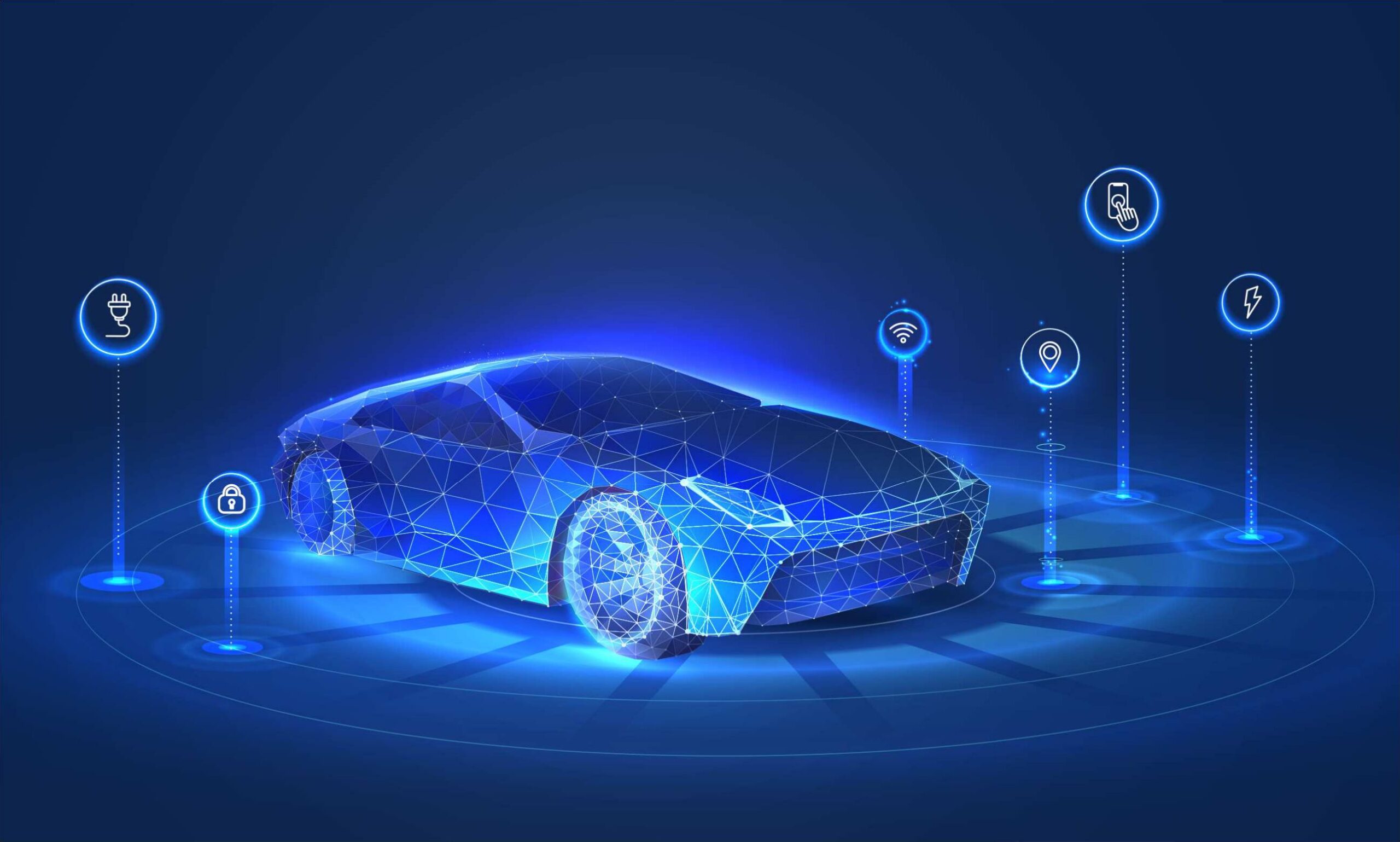
As vehicles become increasingly software-driven and connected to external networks, automotive cybersecurity risks shift from corporate systems to embedded vehicle components. ISO 21434 addresses this evolution. It establishes requirements for managing cybersecurity risks throughout the entire vehicle lifecycle, from concept and development to production, operation, and decommissioning.
The standard introduces structured processes for threat analysis and risk assessment (TARA), secure system architecture design, cybersecurity validation and verification, penetration testing, and continuous vulnerability monitoring. ISO 21434 promotes the principle of Security by Design — automotive cybersecurity is integrated from the earliest development stages rather than retrofitted after system deployment.
For manufacturers and suppliers of electronic control units, software components, or connected services, ISO 21434 is critical. It ensures that vehicles remain resilient against cyberattacks that could compromise safety, data privacy, or operational reliability. Given the increasing regulatory scrutiny in Europe and other markets, compliance with ISO 21434 is rapidly becoming a competitive necessity.
The Strategic Value of an Integrated Management System Automotive Approach
While each of these standards serves a distinct purpose, their real value emerges when implemented as an integrated management system automotive framework. ISO 27001 governs corporate information security. TISAX validates supply chain trust. ISO 21434 ensures vehicle-level automotive cybersecurity. When aligned under a unified governance model, they create a comprehensive protection architecture that spans corporate infrastructure, supplier ecosystems, and product cybersecurity.
This integration delivers several strategic advantages. It reduces duplication of processes and documentation by aligning risk management methodologies across standards. It enhances transparency and accountability through defined roles and responsibilities. It strengthens regulatory and contractual compliance across OEMs and regulators. And it supports operational resilience by managing security incidents coherently across IT, engineering, production, and supplier networks.
In a highly interconnected industrial environment, fragmented security strategies create vulnerability. An integrated management system automotive approach creates stability.
Building Long-Term Competitiveness in Automotive
In today’s automotive landscape, trust is currency. OEMs evaluate not only product quality but also cybersecurity maturity, supply chain governance, and risk transparency. Implementing ISO 27001, TISAX, and ISO 21434 is not merely about passing audits. It is about demonstrating structured, reliable, and forward-looking governance.
Organizations that invest in an integrated management system automotive strategy strengthen their reputation, reduce operational risk exposure, and gain access to high-value projects. They position themselves as trusted partners capable of protecting sensitive information and ensuring product automotive cybersecurity. In contrast, companies that treat these standards as isolated compliance exercises often struggle with inefficiencies, audit fatigue, and reactive risk management.
A Structured Approach to Implementation
At Ariol Automotive, we support automotive and industrial organizations in designing integrated management system strategies tailored to their operational context. Our approach aligns corporate ISMS frameworks with TISAX compliance requirements and ISO 21434 automotive cybersecurity processes, ensuring coherence rather than fragmentation. We focus not only on documentation but on practical implementation, leadership engagement, and long-term sustainability.
In the automotive industry, management systems are no longer administrative formalities. They are strategic instruments of resilience, trust, and competitiveness. An integrated management system automotive strategy is not optional. It is the foundation for sustainable growth in a digitally driven automotive ecosystem.